
Materiality and KPIs
Materiality refers to the key issues that the Teijin Group prioritizes in order to realize its long-term vision: "To be a company that supports the society of the future." The Teijin Group recognizes issues related to sustainability, including social and environmental problems, as management issues. We have organized the opportunities and risks for our company and, as shown below, have identified key social issues and key management issues. By setting KPIs for each and promoting initiatives, we are working toward realizing our long-term vision.
Key Social Issues
Key Social Issue 1 "Climate Change Mitigation and Adaptation"

For climate change mitigation, we provide solutions centered on lightweighting and enhancing the durability of mobility through high-performance, high value-added materials. In addition, we are working to phase out coal-fired power, promote energy conservation and the use of renewable energy, and focus on technological innovations such as process innovation. For climate change adaptation, we offer solutions that contribute to reducing damage and enabling rapid recovery during natural disasters, such as infrastructure reinforcement materials made from high-performance materials, and support disaster site operations through healthcare services utilizing digital transformation.
| Opportunities |
|
|---|---|
| Relevant Businesses and Examples of Products and Services | Automotive composites, carbon fiber intermediate materials for aircraft, pressure vessels, submarine power cables, mooring ropes for offshore wind power turbines, battery-related materials, high-performance fiber reinforcing materials, rainwater storage blocks, cooling and cool-touch materials, thermal insulation-related products, etc.

|
| Risks |
|
| KPIs |
Key Social Issue 2 "Achievement of a Circular Economy"

By providing highly durable and high-quality products that extend the lifespans of products, such as reinforcing material for high-performance tires and conveyor belts, and recycling technologies, such as polyester and aramid fibers, we are improving resource circulation throughout the value chain. Furthermore, as part of our efforts toward resource circulation in our business activities, we strive to reduce waste through reuse and recycling initiatives, expand products that require less water, and use water more efficiently in these activities.
| Opportunities |
|
|---|---|
| Relevant Businesses and Examples of Products and Services |
Reinforcing material for high-performance tires, polyester fiber recycling technology, aramid fiber recycling technology, bio-based materials, chemical recycling licensing services, fishing net recycling business, home medical devices rental business, etc.

|
| Risks |
|
| KPIs |
Key Social Issue 3 "Safety and Security of People and Local Communities"
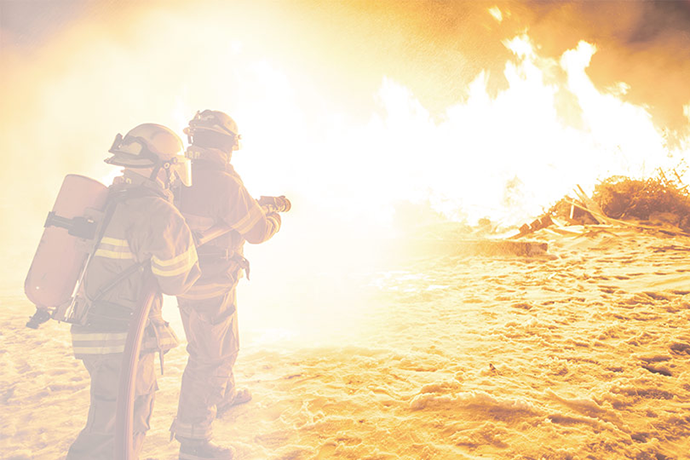
We deliver disaster prevention solutions using high-performance materials, such as aramid fiber, which can withstand the high temperatures of fires, and ultra-lightweight ceiling materials designed to reduce the risk of ceiling collapse during earthquakes. Furthermore, by means of our filters utilizing nano-level microtechnology and environmental engineering, we help prevent environmental pollution and contribute to environmental purification. We also thoroughly monitor and manage hazardous chemicals in our business activities that could damage ecosystems or pollute the environment and make systematic efforts to reduce such chemicals.
| Opportunities |
|
|---|---|
| Relevant Businesses and Examples of Products and Services |
Protective clothing, high-performance fiber reinforcing materials, rainwater storage blocks, disaster response and support map systems for home healthcare patients, seat sensor membranes, ultra-lightweight ceiling materials, airbag fabrics and other safety components, asbestos substitutions, bag filters, disaster mitigation-related fiber products, environmental engineering, etc.
|
| Risks |
|
| KPIs |
Key Social Issue 4 "Realization of Healthy and Comfortable Living for People"

Through the comprehensive utilization of pharmaceuticals, medical devices, medical products, we provide solutions that support a healthy and comfortable living for people. In particular, we aim to resolve issues for patients, families, and communities in need of greater support, centered on the areas of rare and intractable diseases. Also, to provide workers with safe and healthy work environments, we are taking measures to eliminate occupational accidents, remedy long working hours, and improve employee's mental health.
| Opportunities |
|
|---|---|
| Relevant Businesses and Examples of Products and Services |
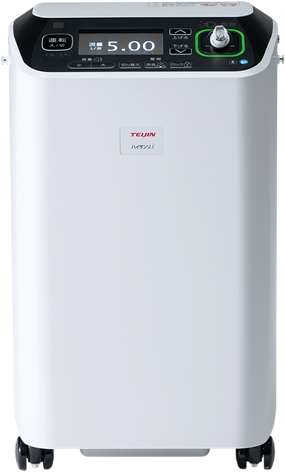
Pharmaceuticals, home medical devices, regenerative medical products, services related to comprehensive community-based healthcare systems, functional interior products, high-performance apparel, heat-stroke prevention clothing, etc.
|
| Risks |
|
| KPIs |
Key Management Issues
Key Management Issues "Further Strengthening of Our Sustainable Management Base"

We are working to strengthen our management base, which serves as the foundation for realizing our long-term vision of becoming "a company that supports the society of the future." To that end, we endeavor to build an environment in which diverse human resources, the driving force toward the realization of our long-term vision, can be active and to train such human resources; to strengthen corporate governance, which is essential for sound and sustained growth; to promote corporate ethics and compliance activities as the basis of trust; to respond properly to various risks; to ensure information security, which is becoming increasingly important in the IT society; to engage in responsible procurement and manufacturing to gain customer trust; and to give due consideration to the environment, security and disaster prevention, and health.
Materiality Identification Process
The Teijin Group grasps and organizes a wide range of social issues, and analyzes and extracts key ones from the perspective of their importance to the Teijin Group and their impact on stakeholders. After the Chief Sustainability Officer engages in dialogue with external experts, the Teijin Group's materiality is ultimately identified at a Management Committee.
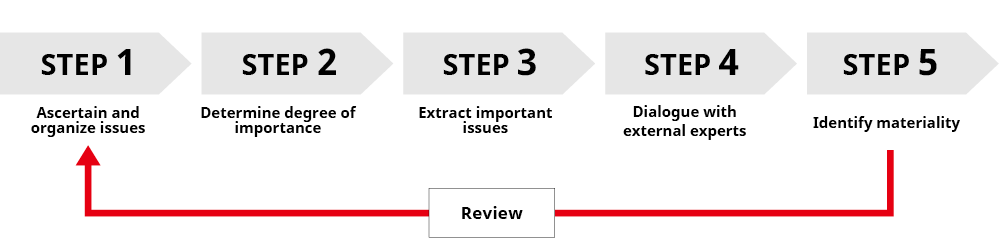
STEP1 Grasp and organize issues
Grasp and organize a wide range of trending issues in society, starting with the SDGs
STEP2 Determine degree of importance
Determine the degree of importance to the Teijin Group based on both the degree of impact on the business (considering both positive and negative aspects) and the likelihood/probability of occurrence
STEP3 Extract key issues
From the group of issues analyzed in STEP 2, extract those with a particularly high degree of importance to the Teijin Group and a high impact on stakeholders as key issues
STEP4 Dialogue with external experts
Engage in dialogue with external experts about the Teijin Group's materiality identification process and the extracted issues
STEP5 Identify materiality
Deliberate and confirm at a Management Committee to identify "The Teijin Group's Materiality"
Major KPIs
The following are the targets for key performance indicators (KPIs) related to the environment.
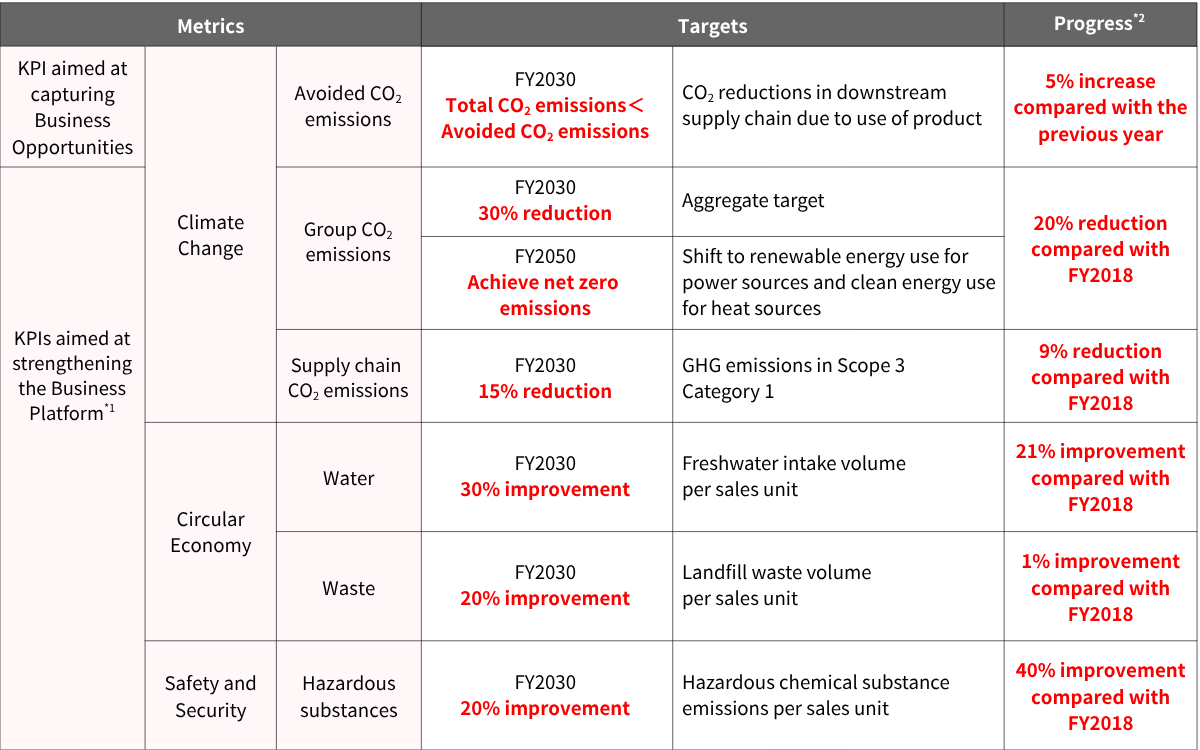
- *1All KPIs aimed at strengthening the business platform are target values set with FY2018 as the base year.
- *2For climate change indicators, calculations for both the current and base fiscal years exclude Teijin Automotive Technologies NA Holdings Corp. (TAT-NA), whereas for other indicators, calculations for both years include TAT-NA.
Please refer to the following link for KPIs related to human capital.